

- You are here :
Senior or not?
- Published on : 21-02-22
- Category :
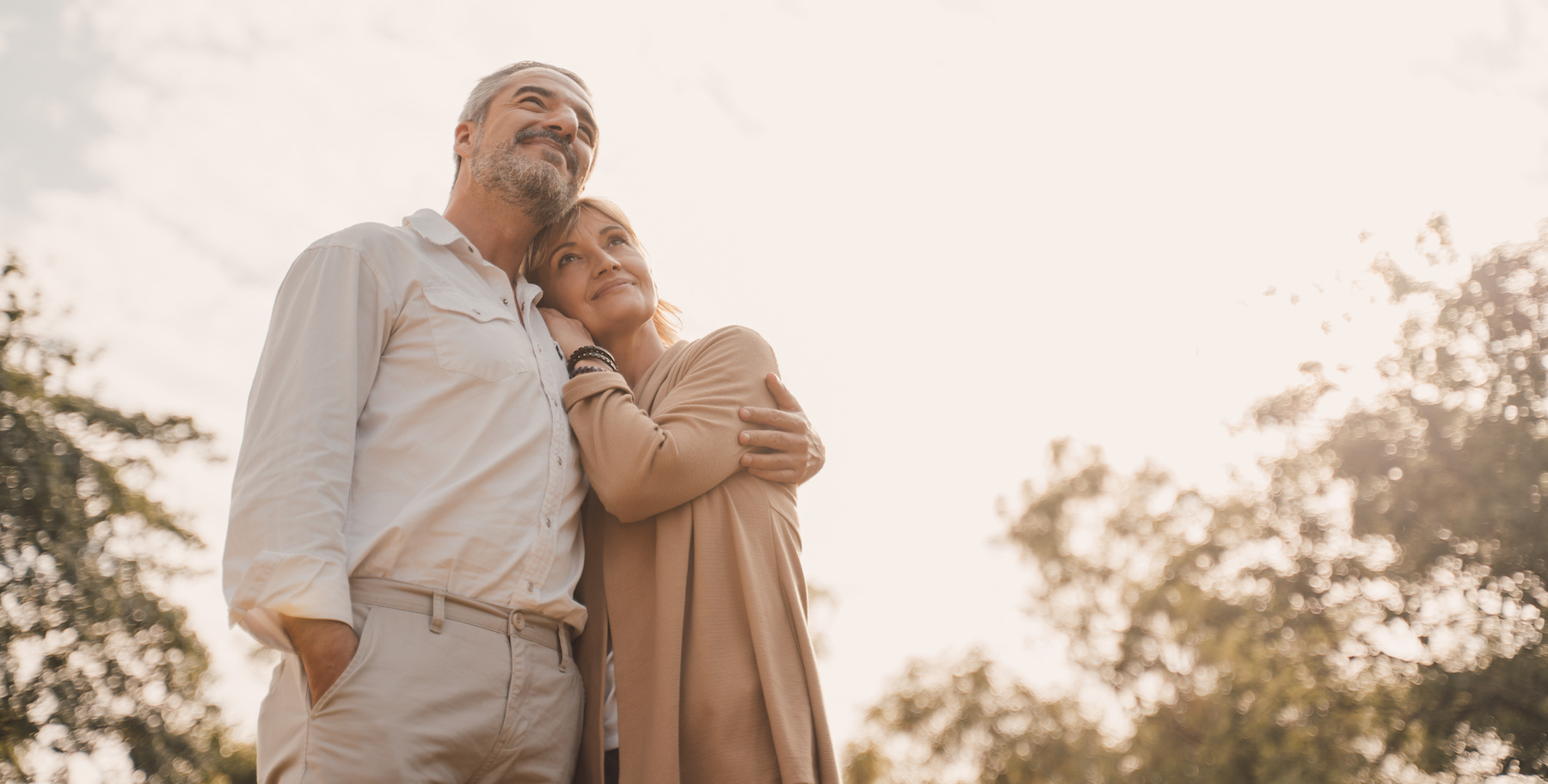
I'm 53, I'm going to be working for another decade, and yet I feel 'senior'. My friends don't want to use that term at our age! Some people say "I'm not a senior"! It certainly seems to be an inconvenient term.
After reading several definitions of the word "senior", I've come up with a few ideas:
Senior is the opposite of "junior" and means "older".
The term therefore refers to a section of the population that has already reached a certain age, with a certain amount of life experience. Some websites say that you are a senior citizen at the age of 45.
This word therefore raises beliefs, fears and judgements. And it invites us to take a look at our identity, our life experience and the way we see ourselves at our age.
Do we have trouble with this senior identity or not?
Are we old? At what age should we consider ourselves old? What does it mean to be old? And when?
A Canadian article answers this question by pointing out that there are two ways of defining "old": associated with two self-narratives.
Some people will establish a link between the present and the past and project themselves into the future: for them, there is no break between what they have been and what they are. There is continuity. They maintain as many activities, passions and active lives as possible, to feel useful, happy and on the move. They feel young in the head and adapt their behaviour to what their metabolism demands.
Others will feel old when they have a feeling of rupture with their life, with what they have been, sometimes when they stop working, or when they are faced with an illness, or when they are placed in a care home or other institution.
Could old then be more a state of mind? You all know young old people and old young people... the body may be years old, and you have to tame it at every moment, recognise and accept it, and that's not necessarily easy. Little aches and pains appear and become more and more pronounced, requiring us to take a different kind of care.
Isn't the fear of feeling old, of this body changing, above all the problem? Isn't that what we're really pushing back by rejecting the status of 'senior'? The media and Western society aren't exactly helping us, with their cult of eternal youth. With all the pressure to stay fit, beautiful and active! What responsibilities! It's not surprising that we try to stay out of it at this stage of our lives! In other cultures, this status is more valued, more cared for, more respected. Elders are very important. So, by rejecting the term "senior", aren't we basically denigrating ourselves, failing to recognise our importance, our role in passing on wisdom and acquired knowledge?
Because if "being senior" meant having the distance, the experience, to make choices about your thoughts and your life... Enjoying life with all the experience you've acquired and preparing to live it with more awareness and the opportunity to have more time for all that!
After all, there are several stages in the lives of older people. We could say that there are the "junior" seniors, those who are still active and who are sometimes also called the sandwich generation, because they still have children at home and elderly parents alive: they are "sandwiched" between two generations.
Then there are the retired seniors who are enjoying their non-working lives or developing new professional, creative or sporting activities, etc. Then there are the older people, sometimes living at home or in care facilities, and sometimes losing their independence.
And we all have something to learn from each other!
That's our mission on the site and the network:
Seniorlife.be is a site that meets the expectations of all these different age groups of seniors, by offering a directory of services and activities, and information linked to the different needs.
Seniorlife.be now also has its own social network: www.senior.life: entirely dedicated to seniors. The network's mission is to create secure online communication between seniors. It's a way of sharing experiences, forging links, breaking out of the solitude often expressed, passing on knowledge, answering questions, getting targeted information, finding activities to share, offering food for thought, reacting and inspiring.
Do you feel like a senior citizen or not?
Sophie Mercier
